
If you ask most people what causes infertility, PMOS probably isn’t the first answer that comes to mind. But ask anyone who’s actually been through a fertility workup, and there’s a good chance it’s exactly what they’ll say.
Polyendocrine Metabolic Ovarian Syndrome (PMOS), formerly Polycystic Ovary Syndrome (PCOS), is the most common hormonal disorder among people of reproductive age, and one of the leading causes of infertility in the United States. It affects up to 1 in 10 women of reproductive age (CDC) — which means it’s likely touched someone in your own life, whether or not they’ve ever talked about it.
It’s also one of the clearest examples of why we’re fighting for the HOPE with Fertility Services Act. PMOS-driven infertility is a diagnosed medical condition — and the HOPE Act would specifically require group health plans that already cover childbirth to also cover the diagnosis and treatment of conditions like it. Right now, whether that happens depends on your employer, your insurer, and your state, not on your diagnosis.
This September, for PMOS Awareness Month, we’re dedicating our blog to telling the fuller story of what PMOS actually is, what a real diagnosis and treatment path looks like, and exactly where that coverage gap shows up along the way.
What PMOS Actually Is
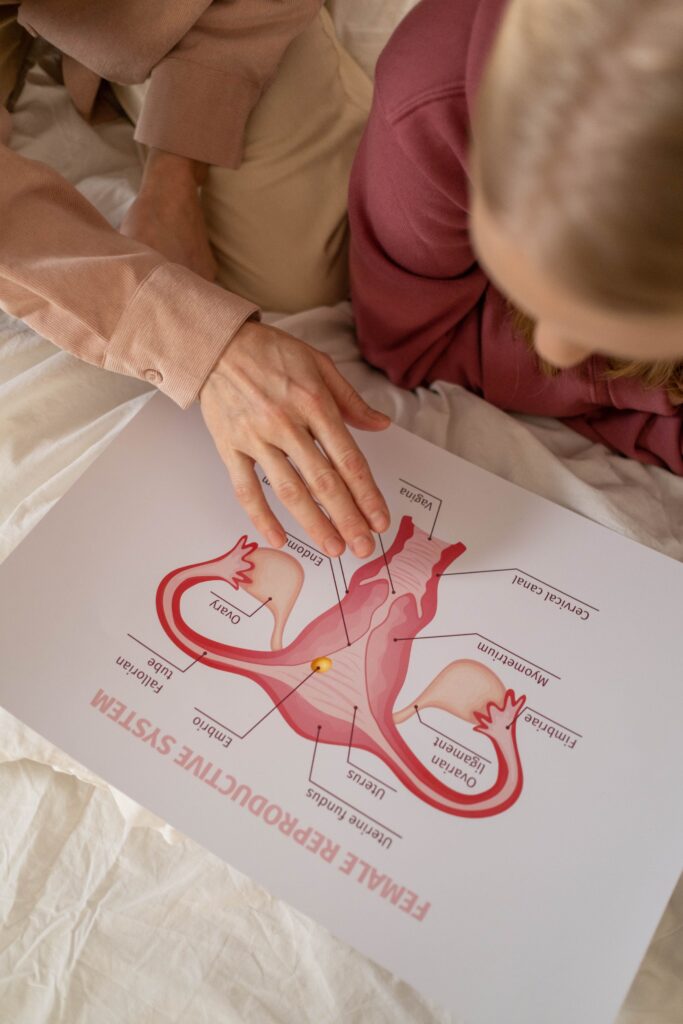
PMOS is a hormonal condition that affects how the ovaries work. Someone with PMOS may have irregular or absent ovulation, elevated levels of androgens (hormones everyone’s body produces to some degree), and/or multiple small follicles on the ovaries visible on ultrasound.
Symptoms vary widely from person to person. Some people notice irregular periods for years before ever being diagnosed. Others discover they have PMOS only when they start trying to conceive and encounter difficulty. Still others are diagnosed after unrelated symptoms — like acne, unwanted hair growth, or weight changes — lead a doctor to run the right tests.
Because PMOS can present differently from person to person, diagnosis and treatment must be individualized. Insurance coverage also varies by plan, and patients may encounter gaps in coverage for testing, medication, monitoring or fertility treatment. We’ll examine those gaps in Part 2.
Why It’s So Often Misunderstood
Part of what makes PMOS hard to talk about is how differently it can show up from person to person. There’s no single symptom that says “this is PMOS” — which means diagnosis often depends on ruling other things out, and can take years for people whose doctors don’t immediately connect the dots.
It’s also, frankly, an under-discussed condition given how common it is. Despite affecting up to 1 in 10 women of reproductive age, PMOS doesn’t get the public attention its prevalence would suggest. Greater awareness can help people recognize possible symptoms, seek appropriate care and better understand the treatment and coverage questions they may face. That’s part of why we’re spending this month on it.
Where This Series Is Headed
Over the next few weeks, we’ll walk through what a PMOS diagnosis and treatment path can look like, including where coverage gaps may arise, and then examine how differences among states, employers and health plans can make an already difficult journey harder than it should be.
If PMOS has touched your life, in ways big or small, we hope this series makes you feel a little less alone in it. And if it hasn’t, we hope it makes clear why the fight for fertility coverage has to include every cause of infertility.
Next Up: What happens after a PMOS diagnosis—and where IVF may fit into a person’s care plan.
Want to help Americans for IVF keep fertility care and coverage front and center? A gift supports public education and advocacy for more accessible fertility care. You can donate here.